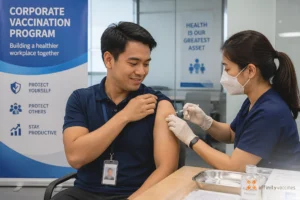

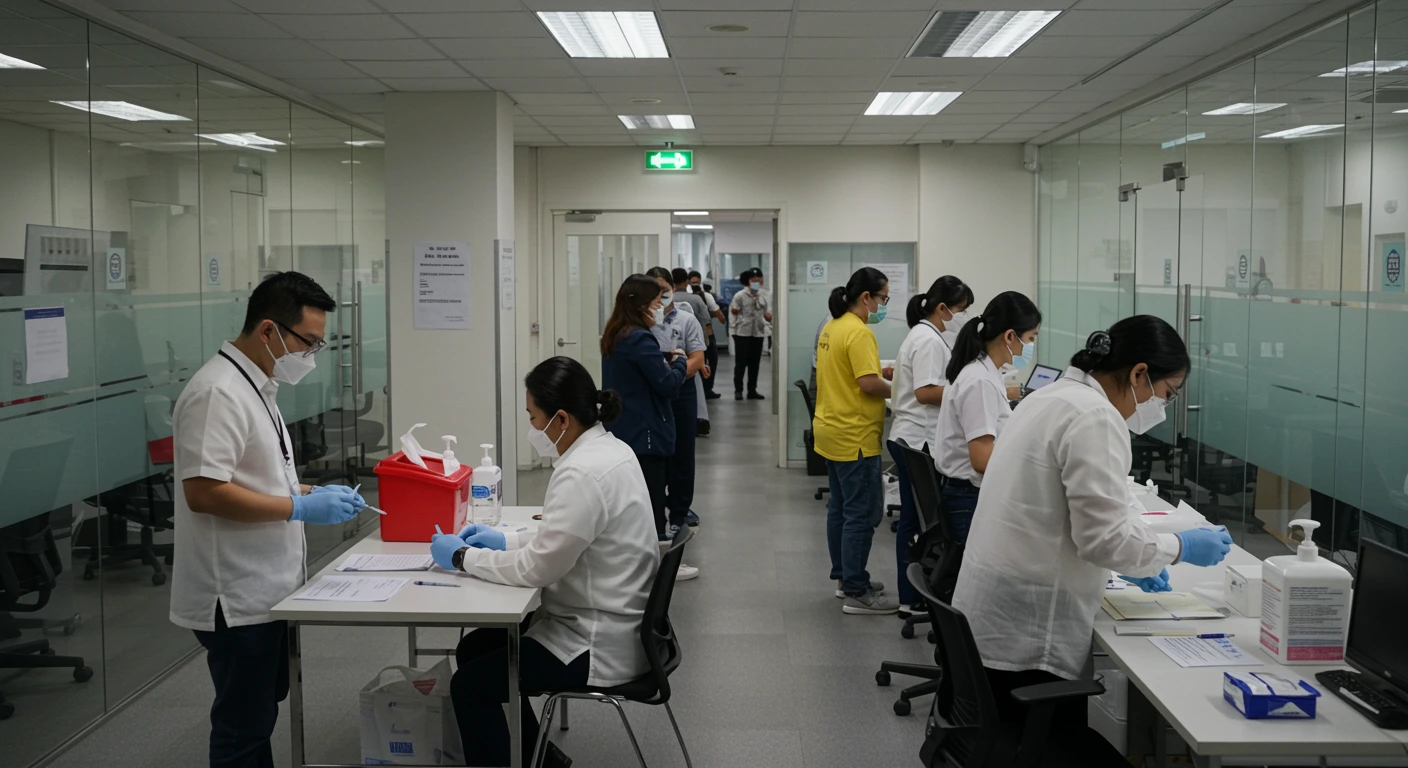
Introduction: 2026 Is a High-Risk Year for Workforce Health
Workplaces in the Philippines are facing a new reality. Specifically, diseases spread faster, employees are more mobile, and offices are back to full capacity. Moreover, flu outbreaks, lung infections, hepatitis cases, and vaccine-preventable diseases continue to disrupt operations across industries.
In a world where one sick employee can infect an entire team in days, companies can no longer rely on reactive measures. Therefore, workplace vaccination Philippines programs are now a critical part of business continuity.
As we enter 2026, Philippine companies that invest in proactive immunization strategies will have a healthier workforce, stronger performance, and lower operational risk.
Why the World Is Higher-Risk for Employees in 2026
Several global and local trends have increased workplace vulnerability:
1. Fast-changing viruses and annual surges
Flu viruses adapt every year. Consequently, this causes predictable outbreaks during rainy and “ber” months.
2. High-density living & commuting in cities
Elevators, buses, MRT/LRT, and shared workspaces all speed up virus transmission. Therefore, urban workers face higher risk.
3. Full onsite operations
Hybrid work is declining. Specifically, more employees are back in enclosed offices.
4. Air-conditioned spaces favor viral spread
Cold, enclosed rooms allow droplets to linger. Consequently, infection spreads faster indoors.
5. Rising rates of chronic disease
Diabetes, high blood pressure, and asthma are common conditions. Moreover, these increase complication risks from infections.
6. Many Filipino families live together
Employees often live with seniors and children. Therefore, this increases household exposure to disease.
7. Global travel is back
Employees frequently travel for work or leisure. Consequently, they bring viruses back to the office.
The combination of these factors makes vaccination one of the most effective protective strategies.
Why Workplace Vaccination Matters More Than Ever
1. Prevents outbreaks that disrupt operations
Flu, pneumonia, hepatitis, and other diseases can spread quickly in offices and production floors.
A single outbreak can cause team-wide sick leave, project delays, shutdown of operations, increased HMO usage, and customer service downtime. Therefore, prevention protects business continuity.
2. Protects high-value and critical teams
Executives, managers, and essential personnel carry significant responsibilities. Consequently, vaccination keeps them consistently present and productive.
3. Reduces absenteeism and presenteeism
Unvaccinated employees are more likely to take sick leave, work while sick (and infect others), and perform poorly due to tiredness or symptoms. Therefore, vaccination improves both attendance and performance.
4. Supports mental wellbeing
Employees feel safer when the company invests in their protection. Consequently, workplace satisfaction improves.
5. Strengthens employer branding
In 2026, jobseekers prefer companies with strong benefits and wellness programs. Therefore, vaccination programs attract talent.
6. Saves money in the long run
Prevention is far more cost-efficient than treatment and workforce disruptions. Ultimately, workplace vaccination Philippines programs reduce overall health costs.
Which Vaccines Should Companies Prioritize in 2026?
Most Philippine companies now include these in their annual wellness programs:
1. Influenza (Flu) Vaccine
Annual vaccination protects from severe flu and reduces sick leaves during peak months. Therefore, it is recommended for all employees.
2. Pneumococcal (Pneumonia) Vaccine
Especially important for employees 50+ and those with chronic illness (asthma, diabetes, heart disease). Specifically, it prevents severe pneumonia and related hospital stays.
3. Hepatitis A & B Vaccines
Important for food handlers, retail, hospitality, healthcare, and corporate offices. Moreover, it protects against liver infections and is critical for workplace health compliance.
4. HPV Vaccine (for Women & Men)
Recommended for corporate Women’s Month campaigns. Specifically, it prevents cervical cancer and other HPV-related cancers.
5. Tdap Booster (Tetanus, Diphtheria, Pertussis)
Needed every 10 years. Moreover, it is important for adults, especially employees with infants at home.
6. Industry-Specific Vaccines
Typhoid for F&B, hospitality, and travel industries. Chickenpox & Shingles for families living together and older staff. RSV for seniors and employees with weak immune systems.
This allows companies to tailor programs based on workforce makeup. Therefore, protection becomes more effective.
How Vaccination Improves Workforce Productivity
Vaccination provides measurable business benefits:
✔ Fewer sick days
Employees get sick less often and return to work faster. Consequently, operations stay stable.
✔ Reduced HMO costs
Prevents expensive visits, medicines, and hospital stays. Therefore, health insurance claims decrease.
✔ Stable team performance
Departments avoid sudden understaffing. Consequently, productivity remains consistent.
✔ Less client disruption
Sales, customer service, and operations run smoothly without interruption.
✔ Lower risk of department-wide outbreaks
A vaccinated workforce reduces spread events. Therefore, cluster infections become rare.
Why 2026 Is the Year to Standardize Vaccination Programs
1. Unpredictable disease patterns
Viruses evolve. Therefore, companies need annual immunization to stay ahead.
2. Workforce expectations are higher
Employees want safer workplaces and proactive health policies. Consequently, vaccination programs become competitive advantages.
3. Business continuity is mission-critical
Unexpected downtime is extremely costly. Therefore, prevention protects revenue.
4. Companies with programs outperform competitors
A vaccinated workforce stays productive year-round. Consequently, business results improve.
5. Preventive health is cheaper than corrective care
Vaccinating 500 employees is often cheaper than one hospital stay. Therefore, the ROI is clear.
Steps for HR Leaders to Build a Strong Vaccination Program
1. Set an annual vaccination calendar
Flu: February–July. Pneumonia & Tdap: anytime. Hepatitis A/B: year-round. HPV: during Women’s Month. Typhoid: dry months. Chickenpox/Shingles: year-round.
2. Identify high-risk employees
50+ years old, chronic illness, customer-facing roles, food handlers, and frequent travelers need priority.
3. Choose a trusted vaccination provider
Look for licensed doctors & nurses, proper cold chain management, complete documentation, onsite corporate setup, nationwide capability, and post-vaccination monitoring.
4. Communicate clearly
Employees respond better when benefits are explained, schedules are announced early, and reminders are sent regularly.
5. Monitor and evaluate
Track vaccination rates, sick leave trends, absence patterns, HMO usage, and employee feedback. Therefore, continuous improvement becomes possible.
Final Thoughts
In 2026, workplace vaccination programs are not just a wellness initiative. Specifically, they are a business strategy.
Companies that prioritize employee health gain a competitive edge through stronger productivity, lower absences, and better workforce morale. Ultimately, a protected workforce is a stable, resilient, and high-performing workforce.
Affinity Vaccines provides comprehensive workplace vaccination Philippines programs for companies throughout the country.
To inquire or request a corporate vaccination proposal, please email vaccines@affinity.com.ph.