
For many years, the HPV vaccine was widely associated with one thing: preventing cervical cancer in women. That message, while important, left a major gap in public understanding.
Today, new research is making one thing clear: HPV is not just a women’s health issue—and neither is the vaccine.
Recent large-scale data shows that men who received the HPV vaccine had significantly lower risk of developing HPV-related cancers compared to those who were unvaccinated. This marks an important shift in how we view prevention—not just for individuals, but across populations.
Understanding HPV: A Common but Serious Virus
Human papillomavirus (HPV) is one of the most common viral infections worldwide. Most people will encounter it at some point in their lives, often without symptoms.
However, certain strains are classified as high-risk HPV, meaning they can lead to cancer over time.
HPV is linked to multiple cancers, including:
- Throat and head & neck cancers
- Anal cancer
- Penile cancer
- Cervical cancer
The HPV vaccine works by preparing the immune system to recognize and fight these high-risk strains before they can cause harm. It is not a treatment—it is prevention at its most effective stage.
What the Research Now Shows
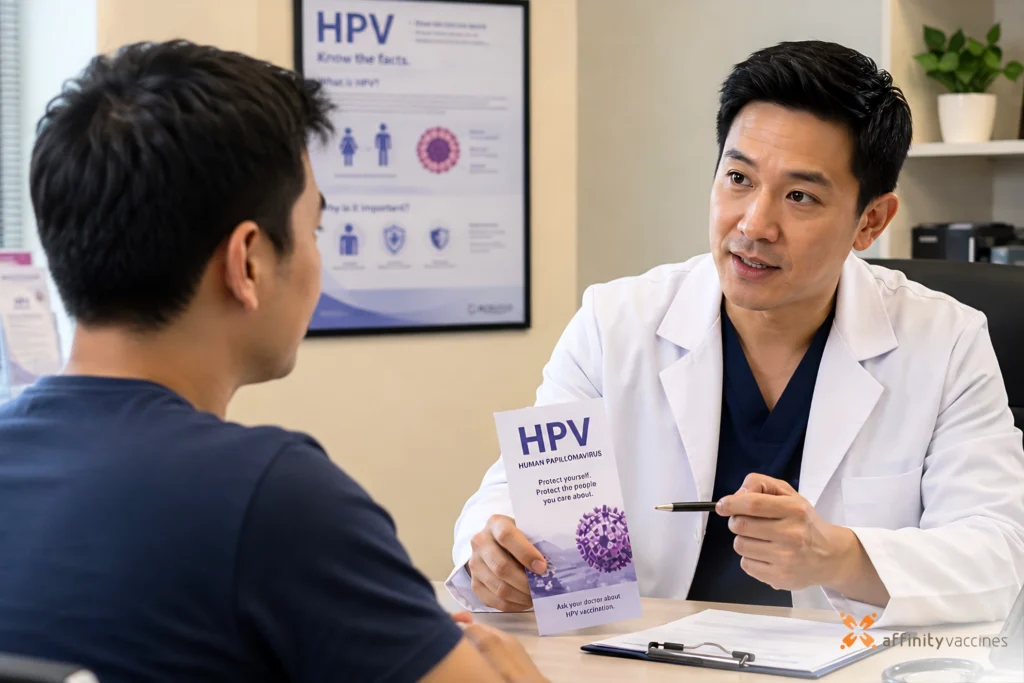
The emerging data reinforces what healthcare providers have long suspected:
- Vaccinated males show significant reduction in HPV-related cancer risk
- Protection extends beyond one type of cancer, including head and neck cancers, which are increasingly seen in men
- The benefits apply across both genders, not just women
In simple terms, this is no longer just about infection prevention.
This is about reducing cancer risk on a population level.
Why Men Have Been Overlooked
Historically, HPV vaccination campaigns focused on women because of cervical cancer.
But this created a misconception: that men are only carriers, not at risk.
In reality:
- Men can develop HPV-related cancers
- Men can transmit HPV to partners
- Reinfection is possible without vaccination
This makes HPV vaccination not just relevant—but necessary—for both sexes.
The Bigger Picture: Protection Beyond the Individual
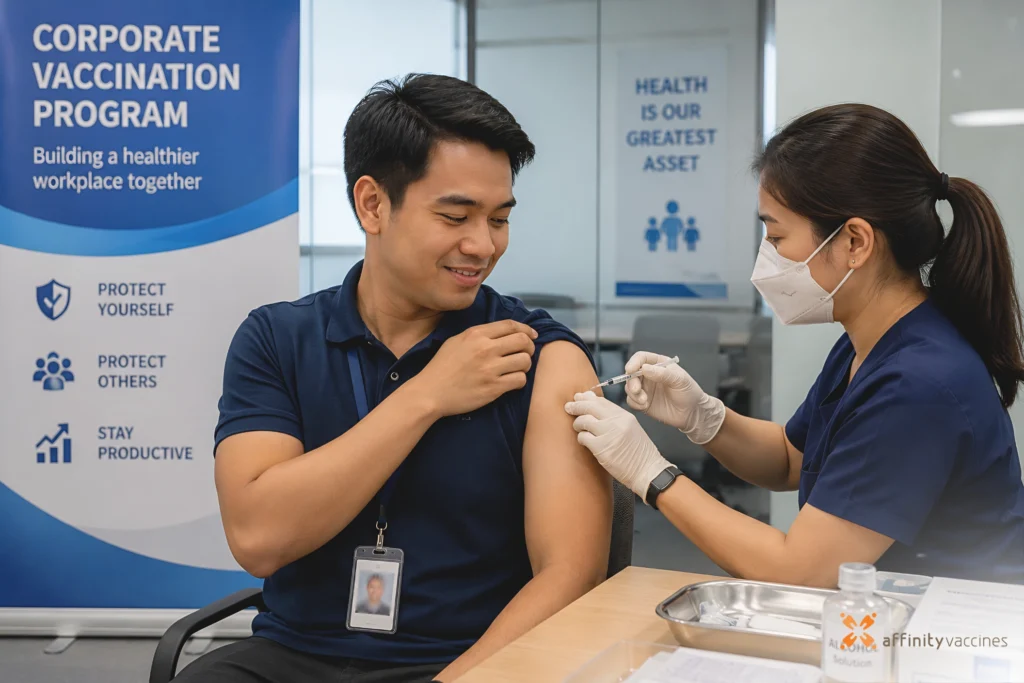
Vaccinating boys and men does more than protect them personally.
It contributes to:
- Reduced transmission of HPV
- Lower infection rates in the population
- Indirect protection for partners and families
This is how preventive healthcare works at scale—quietly but effectively.
When Should the HPV Vaccine Be Given?
Timing plays a key role in effectiveness.
General recommendations:
- Ages 9–12: Ideal timing for strongest immune response
- Ages 13–26: Catch-up vaccination recommended
- Ages 27–45: May still benefit after consultation
Even adults may still gain protection against HPV strains they have not yet encountered.
Gardasil 9: HPV Protection Through Corporate Vaccination Programs
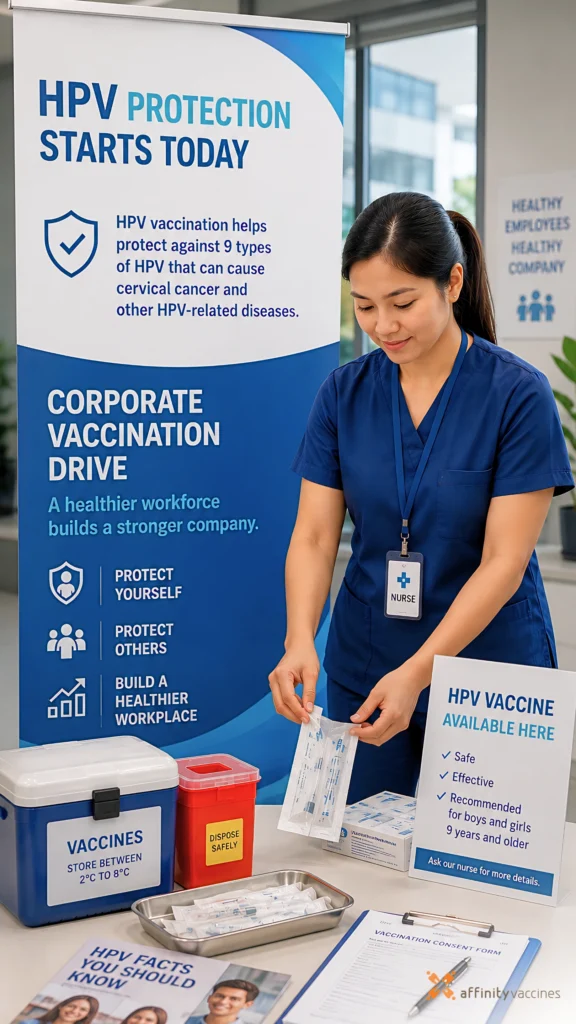
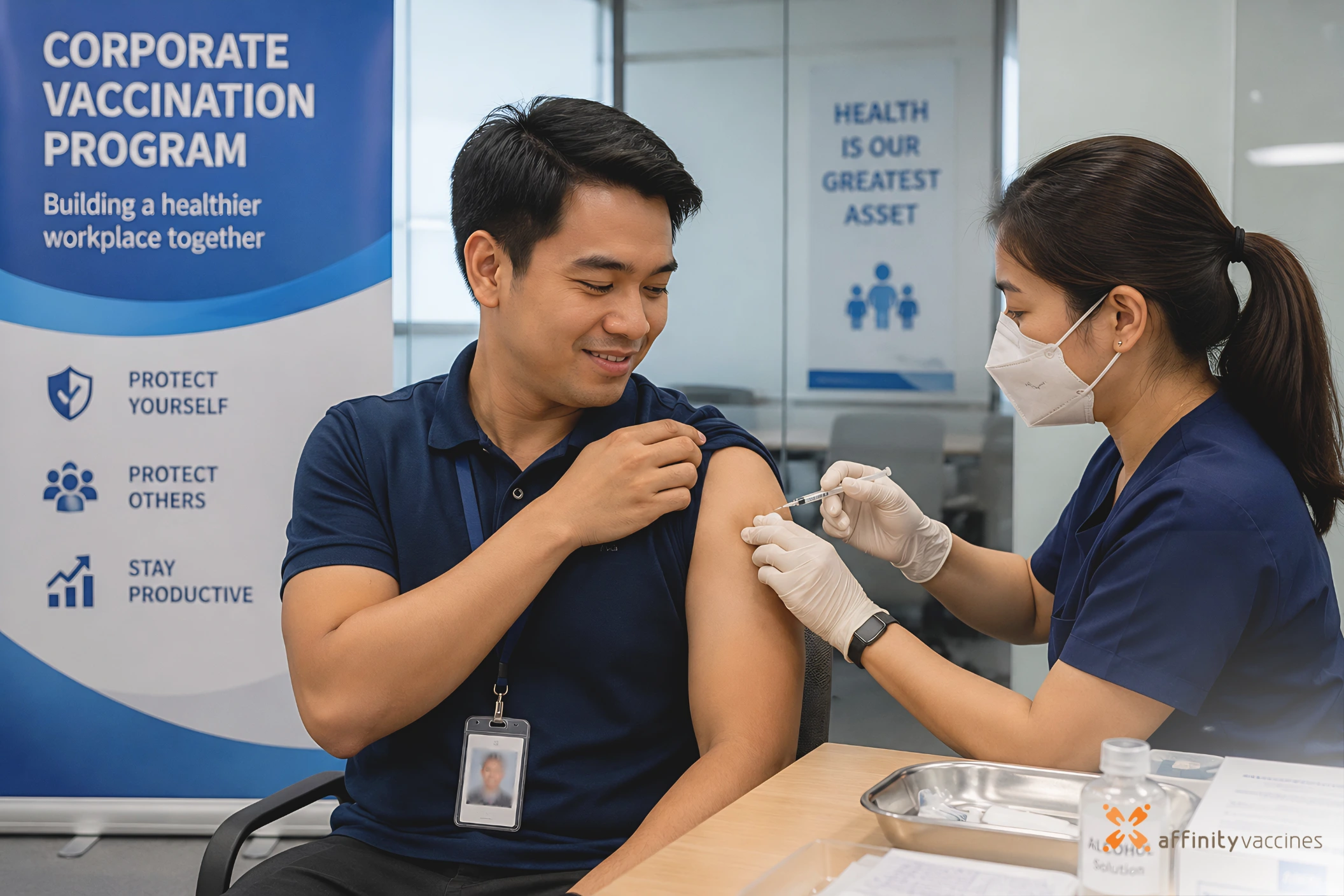
For organizations looking to strengthen their healthcare initiatives, Gardasil 9 is available through Affinity Vaccines’ onsite corporate vaccination programs.
Gardasil 9 is designed to protect against nine HPV types, including those responsible for the majority of HPV-related cancers and genital warts. This expanded coverage makes it one of the most comprehensive HPV vaccines available today.
In the context of workplace health, HPV vaccination represents a shift toward long-term preventive care.
Many HPV-related conditions develop silently over several years. By the time symptoms appear, intervention may already be more complex. Vaccination helps address this risk early—before it becomes a clinical issue.
Affinity Vaccines delivers this through structured corporate programs that are designed to be both efficient and medically sound:
- Onsite vaccination for employee convenience
- Proper screening and administration by licensed healthcare professionals
- Alignment with recommended dosing schedules
- Integration into existing corporate wellness programs
This approach allows companies to go beyond reactive healthcare and invest in prevention that delivers lasting value.
As awareness continues to grow—particularly regarding HPV risks in men—corporate vaccination programs are becoming an important channel for closing the gap in protection.
Safety and Long-Term Effectiveness
HPV vaccination has been studied extensively for over a decade.
- Proven safe across large populations
- Provides long-lasting protection
- Capable of preventing over 90% of HPV-related cancers when administered appropriately
This makes it one of the most impactful preventive health measures available today.
A Shift in Perspective
The conversation around HPV is evolving.
What was once seen as a vaccine primarily for women is now understood as a shared responsibility in cancer prevention.
- For parents, it means protecting both sons and daughters.
- For adults, it means revisiting missed opportunities for prevention.
- For organizations, it means supporting employees through proactive healthcare.
The Affinity Vaccines Perspective
At Affinity Vaccines, the approach has always been grounded in accessibility, science, and long-term health outcomes.
HPV vaccination reflects what preventive healthcare should be—
practical, evidence-based, and quietly transformative.
Final Thought
Cancer prevention does not always require complex intervention.
Sometimes, it begins with a vaccine given at the right time.
The evidence is increasingly clear:
HPV vaccination protects everyone—not just women.