
Introduction: Myths Spread Faster Than Viruses
In the Philippines, vaccine hesitancy often stems from misinformation, fear, and outdated beliefs. Specifically, these beliefs pass down through generations. Moreover, social media, anecdotal stories, and “hearsay” from friends or relatives can make many Filipinos doubtful or confused about vaccines. However, vaccines have protected millions of lives for decades.
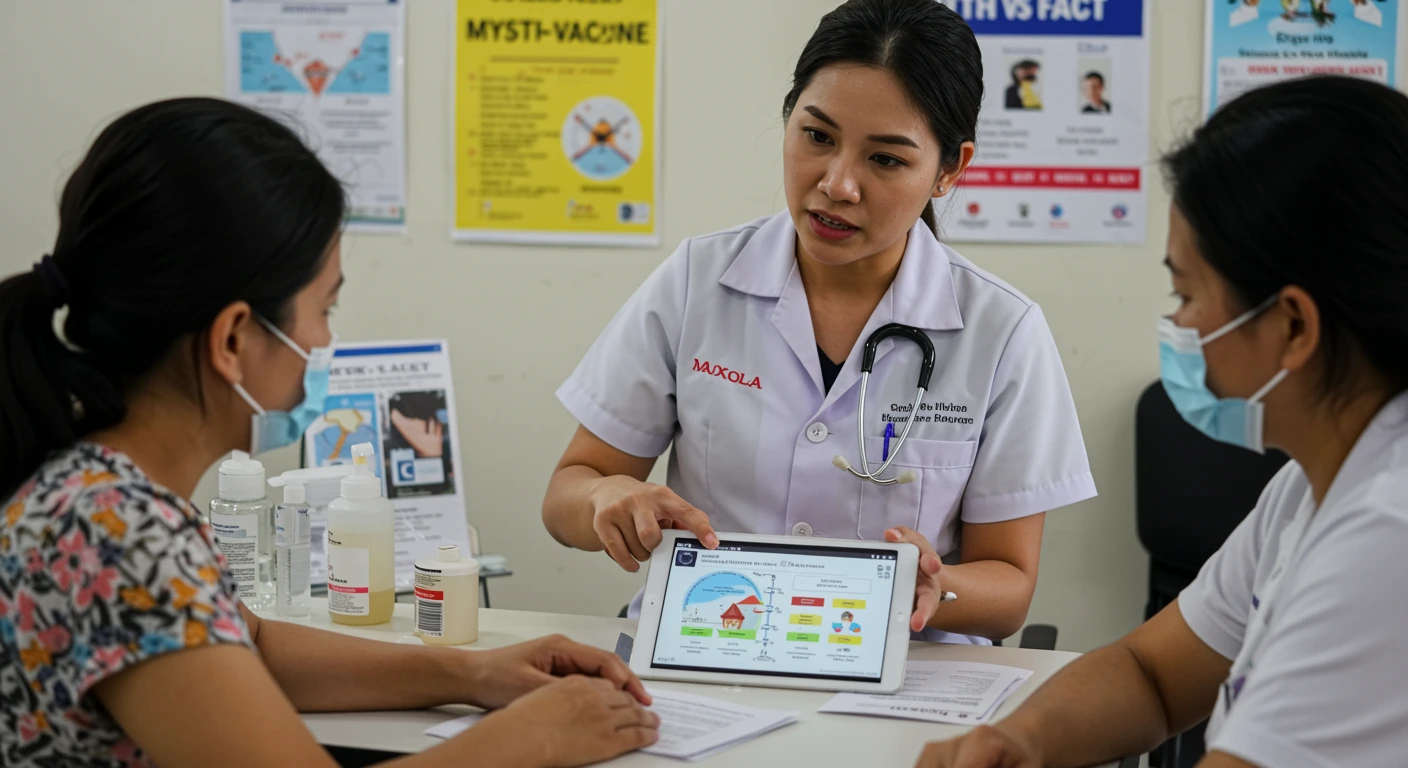
To make informed decisions, we must separate facts from myths. Therefore, below are the most common vaccine misconceptions in the Philippines and the truth behind them.
Myth 1: “Vaccines weaken your immune system.”
✔ Fact: Vaccines strengthen your immunity.
Vaccines work by training your immune system to recognize and fight viruses and bacteria. Specifically, they do not overload your body. Moreover, they do not “use up” your immunity. Instead, they prepare your body for real infections. Consequently, vaccines reduce severe illness, hospitalization, and long-term complications.
Myth 2: “If I’m healthy, I don’t need vaccines.”
✔ Fact: Healthy people still get sick and can infect others.
Even strong, healthy adults can catch influenza, pneumonia, hepatitis A and B, HPV, chickenpox, and measles. Moreover, vaccination protects you and the people around you.
Specifically, vaccination protects seniors, babies, immunocompromised individuals, cancer patients, and pregnant women. Therefore, being healthy does not make you immune. It simply lowers risk. However, this is not enough to skip vaccination.
Myth 3: “Vaccines can cause the disease they’re meant to prevent.”
✔ Fact: Modern vaccines cannot cause the disease.
Vaccines today use inactivated, weakened, or fragmented forms of viruses. Therefore, they cannot replicate or cause the actual disease.
Examples of non-live vaccines include flu, pneumonia (PCV, PPSV), hepatitis A & B, HPV, tetanus/diphtheria/pertussis, typhoid (injectable), shingles (Shingrix), and RSV. Consequently, these vaccines cannot give you the illness.
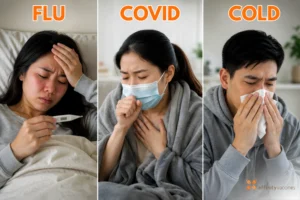
Myth 4: “I got sick after vaccination, so the vaccine doesn’t work.”
✔ Fact: Mild side effects are normal and show your immune system is responding.
Typical reactions include sore arm, mild fever, fatigue, and headache. Specifically, these are signs that your immune system is building protection.
If you caught a cold or viral infection around vaccination time, it is coincidental. Therefore, vaccines do not cause these illnesses.
Myth 5: “Flu vaccine is only for seniors.”
✔ Fact: Everyone above 6 months old can benefit from the flu vaccine.
The flu does not spare working adults, teenagers, pregnant women, or people with asthma, diabetes, or heart disease.
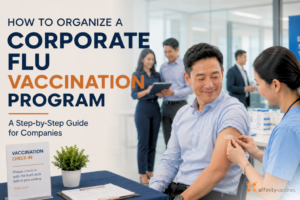
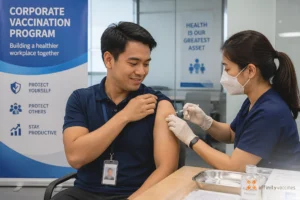
The flu vaccine reduces severe symptoms, doctor visits, hospitalizations, and missed work days. Therefore, many Filipino companies now include annual flu vaccination in their health programs.
Myth 6: “Pneumonia vaccination is only needed once you’re old.”
✔ Fact: Adults as young as 50 need pneumonia protection.
You should get vaccinated earlier if you have asthma, COPD, diabetes, heart disease, kidney disease, chronic illness, smoking history, or frequent respiratory infections.
Therefore, the pneumonia vaccine is not only for the elderly. It is for many Filipino adults.
Myth 7: “Hepatitis vaccines are only for children.”
✔ Fact: Many Filipino adults were never vaccinated as children.
Hepatitis A & B vaccination became widespread only in recent years. Consequently, adults today remain at high risk.
Specifically, food handlers, restaurant workers, healthcare workers, travelers, sexually active adults, and individuals living in multigenerational households need protection. Therefore, vaccination is protection at every age.
Myth 8: “Vaccines will overload my immune system.”
✔ Fact: Your immune system handles thousands of exposures every day.
Vaccines use only a tiny fraction of your immune capacity. Specifically, your body encounters more germs during eating, breathing, touching surfaces, and going to work.
Therefore, vaccines are minimal, controlled exposures designed for safe immune training.
Myth 9: “Natural infection is better than vaccination.”
✔ Fact: Natural infection can lead to hospitalization, disability, or death.
Vaccines provide immunity without the danger of severe complications. Specifically, natural infection risks include liver damage (hepatitis), pneumonia, nerve damage (measles, shingles), infertility (mumps), cancer (HPV), and long-term hospitalization.
Therefore, vaccination provides controlled protection without the suffering.
Myth 10: “Vaccines cause infertility.”
✔ Fact: No scientific evidence links vaccines to infertility.
Millions of vaccinated people around the world have had healthy pregnancies and children. Specifically, this myth has been debunked repeatedly by the World Health Organization (WHO), Centers for Disease Control (CDC), and Department of Health (DOH).
In fact, vaccines protect reproductive health. Particularly, HPV vaccination prevents cervical cancer.
Myth 11: “I don’t need adult vaccines because I got vaccinated as a child.”
✔ Fact: Childhood vaccines do not last forever.
Examples include flu vaccine (yearly), tetanus booster (every 10 years), pneumonia vaccines (based on age and health), hepatitis A & B (often missed during childhood), and HPV (for unvaccinated adolescents and adults).
Therefore, adult vaccination is essential for long-term protection.
Myth 12: “Vaccines contain harmful ingredients.”
✔ Fact: Vaccines contain ingredients in extremely small, safe amounts.
Every ingredient in a vaccine is purified, regulated, extensively tested, and used at safe levels. In fact, vaccines are among the most heavily monitored medical products in the world.
Final Thoughts
Vaccines have protected millions of Filipino lives for decades. Specifically, they prevent severe illness, reduce hospitalization, and protect families. Moreover, they especially protect the most vulnerable.
By understanding the facts behind vaccines, Filipinos can make informed decisions. Ultimately, these decisions protect their households, workplaces, and communities.
Affinity Vaccines provides comprehensive vaccine myths Philippines education and immunization programs for adults, families, and workplaces throughout the country.
To inquire or request a personal or corporate vaccination proposal, please email vaccines@affinity.com.ph.