Introduction: In Food Service, Safety Is Everything
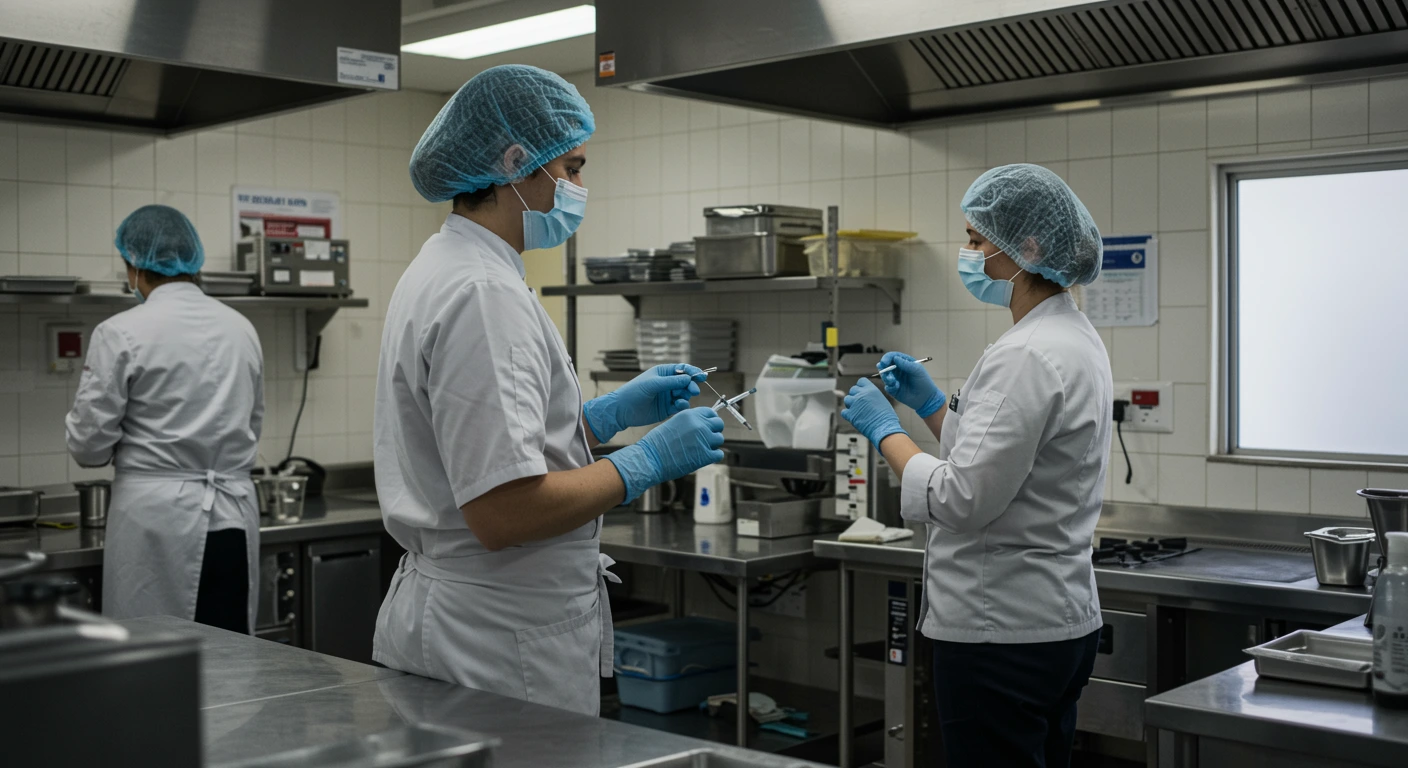
Restaurants and food businesses operate in an environment where one infected employee can impact dozens — even hundreds — of customers. Specifically, food handlers work closely with ingredients, utensils, and preparation surfaces. Therefore, they are at higher risk of spreading infections.
These infections can lead to customer outbreaks, reputation damage, temporary closure, legal problems, and financial losses. Consequently, vaccination is one of the simplest, most effective ways to keep both employees and customers safe.
In the Philippines — where dining out is part of daily life and F&B is a fast-growing sector — food handlers must follow a stricter standard of protection. Therefore, vaccines for food handlers Philippines programs become essential.
Why Food Handlers Need Vaccines
Food service workers face unique risks due to daily tasks:
Handling raw and cooked food, exposure to saliva, surfaces, and utensils, interacting with coworkers and customers, and working in fast-paced, enclosed kitchens.
Viruses can spread quickly between employees. Moreover, the risk extends to customers through contaminated food or surfaces. Therefore, vaccines significantly reduce this risk by preventing highly contagious infections common in F&B environments.
The Essential Vaccines for Food Handlers and Restaurant Staff
1. Hepatitis A Vaccine
Why It’s Critical
Hepatitis A spreads through contaminated food and water. Therefore, it is one of the biggest threats in food establishments.
Restaurants that experience Hepatitis A cases often face public health investigations, temporary shutdowns, loss of customer trust, and negative media coverage.
What the Vaccine Prevents
Liver infection, foodborne outbreaks, and transmission from infected workers.
Schedule: 2 doses, 6 months apart
Who should get it: ALL food handlers
2. Hepatitis B Vaccine
Why It Matters
Hepatitis B can spread through contact with blood or bodily fluids. While less commonly foodborne, it is essential for workers handling sharp tools, dishwashing equipment, and potential injuries.
What the Vaccine Prevents
Chronic liver disease, transmission between staff, and accidental exposure risks.
Schedule: 3 doses
Who should get it: all food handlers, kitchen staff, and supervisors
3. Typhoid Vaccine
Why It’s Important for Food Service
Typhoid fever is caused by bacteria commonly linked to contaminated food or improper handwashing. Outbreaks can spread quickly in restaurants with raw vegetables, salads, fruit shakes, street food, and ready-to-eat items.
What the Vaccine Prevents
Severe fever, stomach illness, and restaurant-wide contamination risks.
Schedule: Injectable every 2–3 years, Oral every 5 years
Who should get it: food service staff and handlers
4. Influenza (Flu) Vaccine
Why Food Businesses Should Care
Flu spreads easily in enclosed kitchens and dining areas. Sick food handlers often report to work to avoid lost income, spread the flu to co-workers, and contaminate food surfaces through coughing/sneezing.
Benefits
Reduces sick leave, limits staff shortages during peak seasons, and prevents transmission to customers.
Schedule: annual. Best time: February–July in the Philippines
5. Tdap Booster (Tetanus, Diphtheria, Pertussis)
Why It’s Needed
Tetanus and diphtheria are risks in workplaces involving knives, cuts, burns, and close indoor spaces.
Schedule: every 10 years
6. Optional but Highly Recommended Vaccines
Chickenpox (Varicella): prevents outbreaks in shared staff quarters. Shingles (Shingrix) for older staff 50+: reduces risk of severe nerve pain.
How Vaccines Protect Your Business
- 1. Prevents Foodborne Outbreaks
Just one Hepatitis A or Typhoid case can impact hundreds of customers.
- 2. Ensures Regulatory Compliance
More cities and local governments are encouraging vaccination in F&B sectors.
- 3. Reduces Sick Leave & Absenteeism
Healthy employees keep operations stable.
- 4. Improves Customer Confidence
Consumers are now more aware of hygiene. Vaccinated staff enhances brand trust.
- 5. Protects Your Brand Reputation
Prevents negative publicity due to outbreaks.
- 6. Boosts Employee Morale
Vaccination programs show care for employees.
Best Practices for Food Establishments
- 1. Create an Annual Vaccination Calendar
- 2. Require Vaccination for New Hires
- 3. Offer Onsite Vaccination Programs
- 4. Ensure Proper Hygiene Training
- 5. Keep Vaccination Records Updated
Frequently Asked Questions
“Is vaccination required by law for food handlers?”
✔ Not mandated nationwide — but highly recommended and increasingly required by certain LGUs.
“What’s the most important vaccine?”
✔ Hepatitis A is considered the highest priority.
Final Thoughts
Food safety is not just about clean kitchens — it begins with healthy, protected employees. Vaccines safeguard your staff, your customers, and your brand.
Investing in vaccines for food handlers Philippines programs is one of the smartest business decisions a food establishment can make.
To inquire or request a corporate vaccination proposal, please email vaccines@affinity.com.ph.