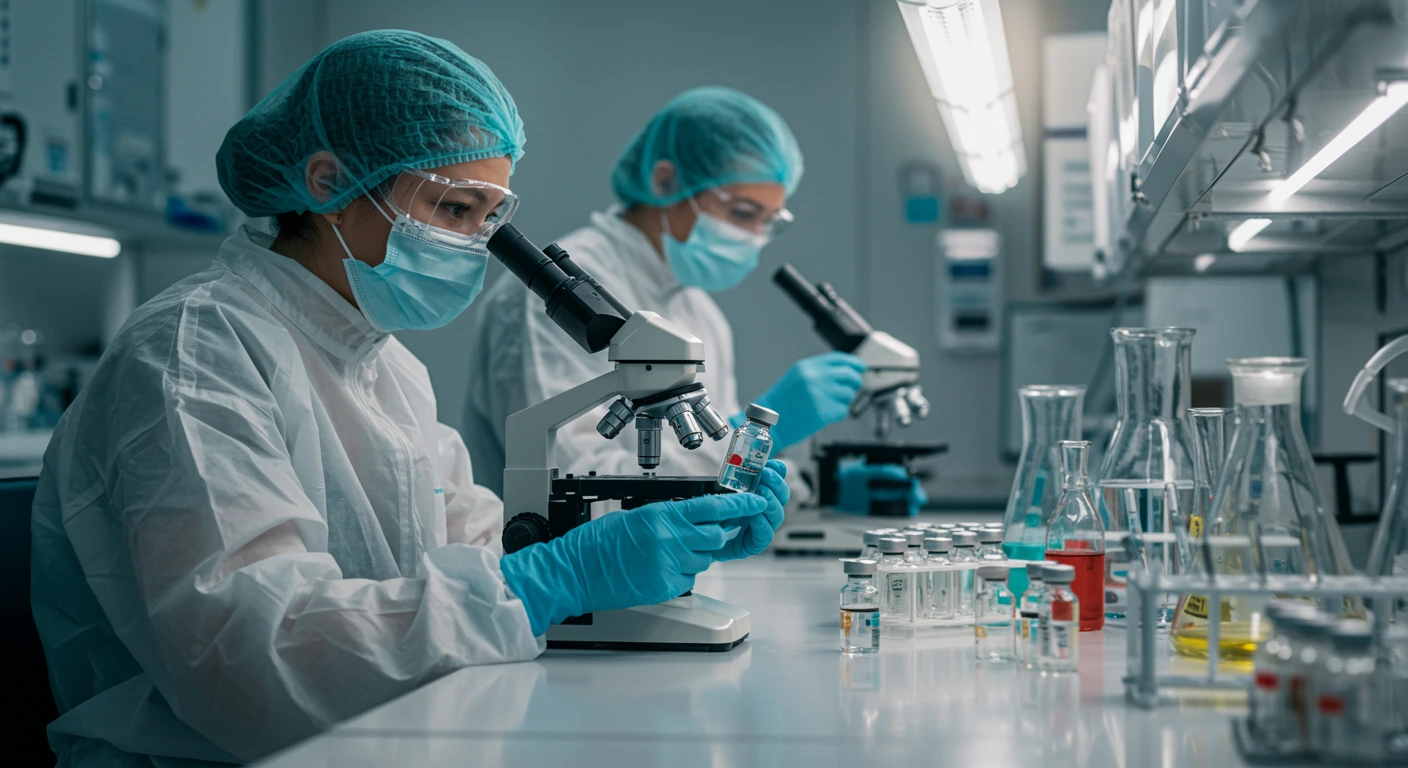
Introduction: Why Vaccine Safety Matters More Than Ever
Vaccines save millions of lives every year. However, many people still worry about whether they are truly safe. These concerns are understandable. After all, doctors give vaccines to healthy individuals, including children, seniors, and employees in corporate programs.
The good news: vaccine safety Philippines programs follow one of the most strictly regulated areas in global medicine. Moreover, every dose undergoes a rigorous, multi-step process — from laboratory research to post-market monitoring.
Consequently, this ensures that vaccines are safe, effective, and consistently high-quality. Additionally, if you’ve ever wondered “How do we know vaccines are safe?”, this article explains the full safety ecosystem that protects every person who receives a shot.
1. Global Vaccine Approval Takes Years — Sometimes Over a Decade
Vaccines go through one of the most difficult scientific development processes in the world. Specifically, scientists design each phase to catch safety issues early.
The 3 Phases of Clinical Trials
Before any vaccine reaches the public, researchers must complete these trials:
Phase 1 – Safety
Researchers test small groups (20–100 people). They focus on: Is it safe? What side effects occur? Consequently, this phase identifies major safety concerns.
Phase 2 – Immune Response
Scientists expand testing to hundreds of volunteers. They focus on: Does it trigger immunity? What dose works best? Therefore, this phase confirms the vaccine can protect people.
Phase 3 – Large-Scale Testing
Researchers involve thousands to tens of thousands of people. They focus on: Does it prevent disease? Is it safe for all groups? Moreover, this phase proves the vaccine works in real-world conditions.
Only after scientists complete all phases successfully can the maker even apply for approval. Furthermore, vaccines must meet higher safety standards than most medicines because doctors give them to healthy people.
2. Independent Scientific Regulators Review Every Vaccine
Even after trials, vaccines must pass strict evaluations by global and national authorities. Specifically, these agencies work independently from vaccine makers.
Major Regulators Include:
U.S. FDA (Food and Drug Administration), European Medicines Agency (EMA), World Health Organization (WHO), UK MHRA (Medicines and Healthcare products Regulatory Agency), Health Canada, Japan PMDA, and Philippine FDA all conduct independent reviews.
These agencies review clinical trial data, laboratory results, manufacturing quality, adverse event reporting, cold chain stability, and long-term safety. Consequently, multiple experts examine every detail before approval.
No vaccine reaches the public without multiple regulatory bodies approving it. Therefore, this creates multiple safety checkpoints.
3. WHO Prequalification: A Second Layer of Global Oversight
Many vaccines used in the Philippines carry WHO Prequalification. Specifically, this means WHO experts have independently reviewed:
Safety data, effectiveness, manufacturing quality, distribution chain, and consistency of batches. Moreover, WHO inspects manufacturing facilities directly.
This ensures vaccines that national governments and global organizations purchase meet the highest international standards. Consequently, Filipino families receive globally-approved vaccines.
4. Manufacturing Safety: Every Batch Is Tested Before Release
Unlike medicines people take orally, vaccines require sterile environments, flawless production processes, and consistent purity. Therefore, manufacturers maintain extremely strict quality control.
Before any shipment leaves the facility:
Manufacturers test each batch (lot testing) for identity, potency, purity, sterility, stability, and absence of contaminants. Then regulators independently repeat the testing. Consequently, every batch undergoes double verification.
National authorities like the Philippine FDA, Singapore’s HSA, and US FDA also examine randomly selected batches before they permit distribution. Therefore, this double-checking system ensures that every dose is safe, not just the ones scientists tested during research.
5. Continuous Monitoring Even After a Vaccine Is Approved
Approval is not the end. Specifically, health authorities monitor vaccines for as long as people use them. Moreover, this monitoring happens globally in real-time.
Systems Used Globally Include:
VAERS (U.S. Vaccine Adverse Event Reporting System), VSD (Vaccine Safety Datalink), EMA EudraVigilance, WHO Global Advisory Committee on Vaccine Safety (GACVS), and Philippine FDA Pharmacovigilance System all track vaccine safety continuously.
These systems track rare side effects, long-term signals, safety in special populations, global patterns of reactions, and changes in disease protection. Consequently, experts detect even unusual patterns quickly.
If experts detect any issue, regulators can immediately adjust recommendations, update labels, recall batches, or suspend a maker. Therefore, this real-time global surveillance ensures rapid response to even the rarest events.
6. The World’s Leading Vaccine Safety Experts Analyze New Data Constantly
Global teams of specialists monitor vaccines continuously. Specifically, these teams include specialists in disease spread, microbes, infectious diseases, statistics, immunity, and public health.
These experts evaluate worldwide data to ensure they detect safety signals early. Moreover, they share findings globally within days.
No other medicine receives this level of constant monitoring. Therefore, vaccines remain among the most-watched medical products in history.
7. The Difference Between Side Effects and Safety Issues
Vaccines can cause temporary side effects. Specifically, this is normal and shows that the immune system is responding. However, these differ greatly from serious safety issues.
Common, Mild Effects Include:
Soreness, mild fever, tiredness, and headache. Moreover, these effects show the vaccine is working.
These symptoms are expected and usually resolve within 24–48 hours. Consequently, most people recover quickly without treatment.
Severe reactions are extremely rare. When they occur, health authorities carefully document and investigate them. Therefore, experts understand even rare events thoroughly.
8. Why Vaccines Are Considered One of the Safest Medical Interventions
Vaccines achieve remarkable safety records because they:
- Prevent millions of deaths every year
- Undergo more rigorous testing than many medicines
- Receive monitoring globally by multiple agencies
- Receive continuous improvements based on real-world data
- Reduce hospital stays, outbreaks, and complications
- Protect not only individuals but entire communities
This combination of scientific rigor and ongoing monitoring makes vaccines one of the safest and most effective tools in modern healthcare. Consequently, billions of people worldwide have received vaccines safely.
Final Thoughts
Vaccine safety does not rely on trust alone. Specifically, scientists build it on layers of rigorous science, strict regulation, continuous monitoring, and global collaboration. Moreover, this system improves constantly.
Every dose that clinics, hospitals, and corporate vaccination programs deliver has passed through one of the strictest safety pipelines in medicine. Therefore, you can protect yourself and your loved ones with confidence.
Vaccines are safe. Vaccines save lives. Furthermore, Affinity Vaccines follows all vaccine safety Philippines standards set by WHO, FDA, and DOH.
To inquire or request a personal or corporate vaccination proposal, please email vaccines@affinity.com.ph.