Introduction: Why Herd Immunity Philippines Matters for Your Family
When people talk about vaccines and public health, you’ll often hear the term “herd immunity Philippines.” It may sound technical, but the concept is actually simple. Moreover, herd immunity protects not only the people who get vaccinated, but also the people around them.
For Filipino families with children, seniors, pregnant women, and individuals with medical conditions, understanding herd immunity Philippines helps explain why vaccination matters. In fact, it’s one of the strongest tools we have to prevent outbreaks and protect our communities.
This article explains herd immunity in clear, everyday language. As a result, you won’t need any complicated science background.
What Is Herd Immunity Philippines?
Herd immunity happens when a large portion of the community gains protection from a contagious disease. This protection comes mostly through vaccination. Consequently, when enough people are protected, the infection struggles to spread.
Think of it like building a protective shield around your home. If enough people have protection, the virus struggles to find new hosts. Therefore, the entire community becomes safer.
In simple terms: When more people get vaccinated, fewer people get sick. As a result, that protects everyone in the community.
Why Vaccination Is the Safest Way to Achieve Herd Immunity
Some people think communities can achieve herd immunity by letting the disease “spread naturally.” However, this approach is dangerous, especially for severe diseases. For example, measles, pneumonia, COVID-19, and HPV-related cancers pose serious risks.
In contrast, vaccines offer protection without the risk of hospitalization, long-term complications, expensive medical bills, long recovery periods, or death in severe cases.
Therefore, vaccination is the safe, controlled, and scientifically proven way to build community immunity in the Philippines.
How Herd Immunity Philippines Protects Your Loved Ones
Not everyone can receive certain vaccines immediately. Therefore, some groups need extra protection from those around them.
Who Cannot Get Vaccinated Right Away:
– First, infants too young for MMR or flu shots
– Second, pregnant women (depending on vaccine type)
– Additionally, immunocompromised individuals
– Also, those allergic to vaccine components
– Furthermore, elderly individuals with certain health limitations
Consequently, these individuals rely on the protection of people around them.
When you get vaccinated, you actively protect your elderly parents, your young children, your relatives with chronic illness, your immunocompromised family members, your office coworkers, and your neighborhood and school community.
For this reason, herd immunity is often described as a gift we give each other.
How Much of the Community Needs Vaccination for Herd Immunity?
Different diseases require different levels of herd immunity Philippines coverage. Therefore, understanding these thresholds helps communities plan better.
Examples of Vaccination Thresholds:
First, measles needs 90 to 95% vaccination coverage. This highly contagious disease requires very high protection rates.
Second, pertussis (whooping cough) needs 85% coverage. High rates actively protect vulnerable infants.
Third, influenza (flu) varies each year. However, higher coverage significantly reduces outbreaks.
Finally, Hepatitis A and B need moderate to high coverage. This helps prevent workplace and community spread.
Importantly, the more contagious a disease is, the higher the vaccination rate needed. This effectively protects the community.
In the Philippines, schools, offices, neighborhoods, and public spaces are often crowded. As a result, high vaccination rates are especially important for herd immunity Philippines communities.
Why Herd Immunity Matters for Filipino Families
Filipino households tend to be multi-generational. Specifically, grandparents, working adults, teenagers, and young children often live together. Consequently, this creates a higher risk of spreading infections at home.
Herd immunity actively protects families in common situations:
– For instance, students bringing home infections from school
– Similarly, employees being exposed in the workplace
– Also, seniors getting sick after contact with visitors
– Additionally, toddlers catching viruses in malls or playgrounds
– Furthermore, parents bringing home illnesses from daily commutes
When people get vaccinated, they actively reduce their chances of becoming carriers. Therefore, they protect their families through herd immunity.
Real-Life Examples of Herd Immunity Philippines at Work
1. School Communities and Herd Immunity
When most students and teachers receive measles, flu, or Tdap vaccines, outbreaks become rare. As a result, schools become safer environments for learning.
2. Workplace Vaccination Programs
Annual flu vaccination significantly reduces sick days. Moreover, it prevents the virus from traveling through offices or factories. Consequently, productivity stays high.
3. Food Industry Protection
Hepatitis A and B vaccination helps prevent contamination. Therefore, it protects both customers and staff in restaurants and food services.
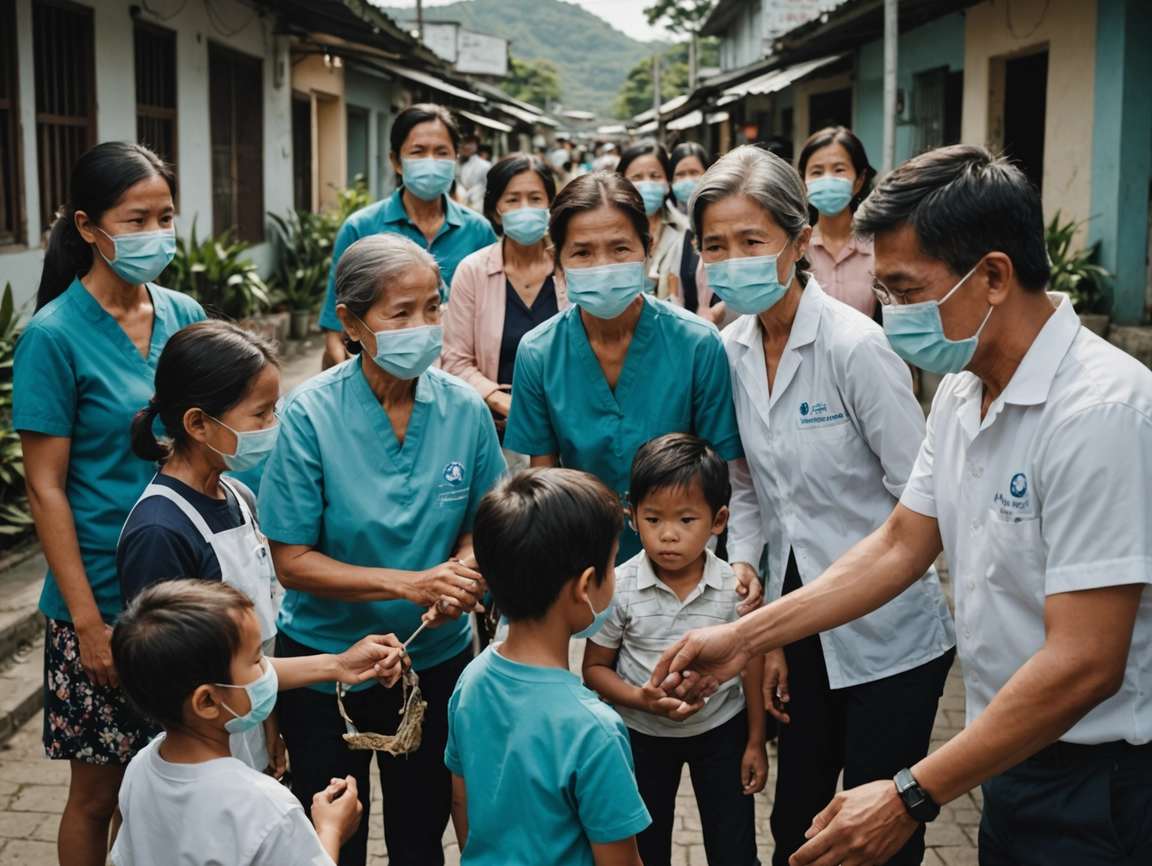
4. Barangays and Neighborhoods
High vaccination coverage slows down transmission during seasonal outbreaks. For example, flu and other diseases spread less in protected communities.
Overall, herd immunity creates a buffer that keeps communities safer throughout the Philippines.
Herd Immunity Is Not Permanent—Vaccinations Must Continue
Even if a community reaches good immunity levels today, protection fades over time. This happens when people skip vaccines in the coming years.
Reasons to Maintain Vaccination Programs:
First, flu strains change yearly. Therefore, you need an annual flu shot for continued protection.
Second, pneumonia vaccination schedules vary by age. Consequently, adults and seniors need different timing.
Third, kids need boosters. For example, MMR, Tdap, and HPV require follow-up doses.
Fourth, adults may forget updates. Specifically, Hepatitis or Tetanus boosters often get overlooked.
Finally, new diseases or strains may emerge. Therefore, ongoing vaccination prepares communities.
In summary, giving vaccines consistently keeps the “protective shield” strong. As a result, herd immunity Philippines requires continuous effort.
What Filipino Families Can Do to Support Herd Immunity
Vaccinate Children on Schedule
First and foremost, follow your pediatrician’s recommended vaccination timeline. Additionally, complete all doses on time to ensure maximum protection.
Encourage Adults to Stay Updated
Remember, adults need vaccines too. Specifically, flu, pneumonia, COVID boosters, Hepatitis A/B, Tdap, and HPV vaccines actively protect families.
Join Workplace Vaccination Programs
If your company offers onsite vaccination, definitely participate. By doing so, you protect your coworkers and family simultaneously.
Stay Informed About Vaccines
Furthermore, choose reliable sources for health information. For example, the Department of Health and licensed medical providers offer accurate guidance.
Ultimately, herd immunity is a shared responsibility. Therefore, every vaccination helps the community stay protected.
Final Thoughts on Herd Immunity Philippines
Herd immunity is not a complicated scientific concept. Instead, it is simply about protecting each other.
When Filipino families, workplaces, and communities commit to timely vaccination, we create a safer environment. Most importantly, this especially protects our children, seniors, and vulnerable loved ones.
Affinity Vaccines helps Filipino families and businesses understand and achieve community protection through comprehensive vaccination programs.
To inquire or request a corporate vaccination proposal, please send your inquiries to vaccines@affinity.com.ph.