
Preparing for the 2026 Flu Vaccination Season
Influenza remains one of the most common respiratory infections worldwide. Each year, the influenza virus undergoes small changes, which is why flu vaccines are updated annually to maintain protection against circulating strains.
For the 2026 influenza vaccination season, the World Health Organization has released updated recommendations regarding the composition of influenza vaccines.
These recommendations are based on global surveillance data collected from laboratories around the world that monitor influenza activity. By studying how influenza viruses evolve and spread, experts are able to identify the strains most likely to circulate during the upcoming flu season.
For individuals and organizations planning their annual vaccination programs, understanding these recommendations helps ensure that vaccination efforts align with the latest global health guidance.
WHO Recommended Influenza Vaccine for 2026
For the 2026 influenza season, the World Health Organization recommends influenza vaccines that protect against the following virus strains:
- A(H1N1)pdm09-like virus
- A(H3N2)-like virus
- B/Victoria lineage virus
These strains were selected after careful analysis of virus samples collected through international influenza surveillance networks.
The objective is to ensure that seasonal vaccines closely match the viruses most likely to circulate in the upcoming season, helping to improve vaccine effectiveness.
Because influenza viruses constantly evolve, annual vaccination remains the most effective way to maintain protection against influenza infection.
Why Flu Vaccines Are Updated Every Year
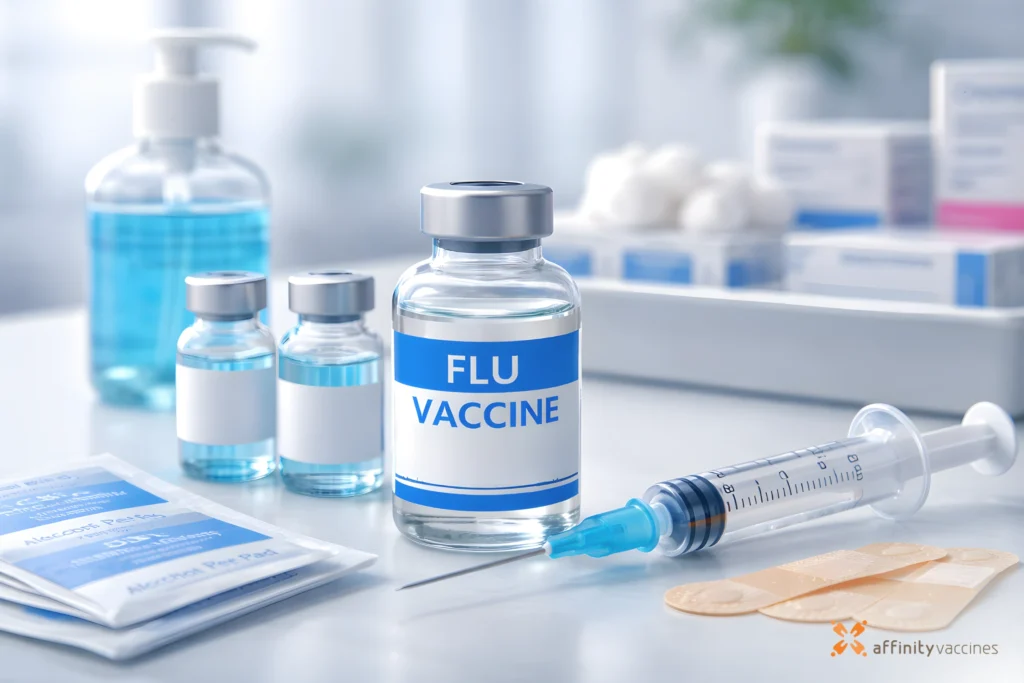
Influenza viruses evolve through a process called antigenic drift, where small genetic changes gradually occur in the virus over time. These changes can allow new virus variants to partially evade immunity from previous infections or vaccinations.
To address this, the World Health Organization evaluates global influenza data throughout the year and updates vaccine strain recommendations accordingly.
WHO typically announces vaccine composition recommendations twice each year:
- February – for the Northern Hemisphere influenza season
- September – for the Southern Hemisphere influenza season
This schedule allows vaccine manufacturers sufficient time to produce updated vaccines before vaccination campaigns begin.
Transition Toward Trivalent Influenza Vaccines
One notable development in influenza vaccination policy is the gradual transition toward trivalent influenza vaccines, which protect against three influenza virus strains.
Historically, many influenza vaccines were quadrivalent, covering four strains. However, the B/Yamagata lineage virus has not been detected globally for several years, prompting global health experts to focus on the strains currently circulating.
Trivalent vaccines therefore include protection against:
- Influenza A(H1N1)
- Influenza A(H3N2)
- Influenza B (Victoria lineage)
This approach helps simplify vaccine production while maintaining protection against the influenza viruses most likely to cause illness.
Quadrivalent Flu Vaccines May Still Be Available
Despite the transition toward trivalent vaccines, quadrivalent influenza vaccines may still be available in limited supply depending on manufacturer production and vaccine procurement.
Quadrivalent vaccines include an additional influenza B strain, typically from the B/Yamagata lineage.
Although this lineage has not circulated in recent seasons, quadrivalent vaccines remain safe and effective and may still be used in vaccination programs depending on availability.
Healthcare providers may therefore administer either:
- Trivalent influenza vaccines, aligned with current WHO recommendations
- Quadrivalent influenza vaccines, depending on vaccine supply
Both vaccine types continue to provide protection against the most important circulating influenza viruses.
Who Should Receive the Flu Vaccine
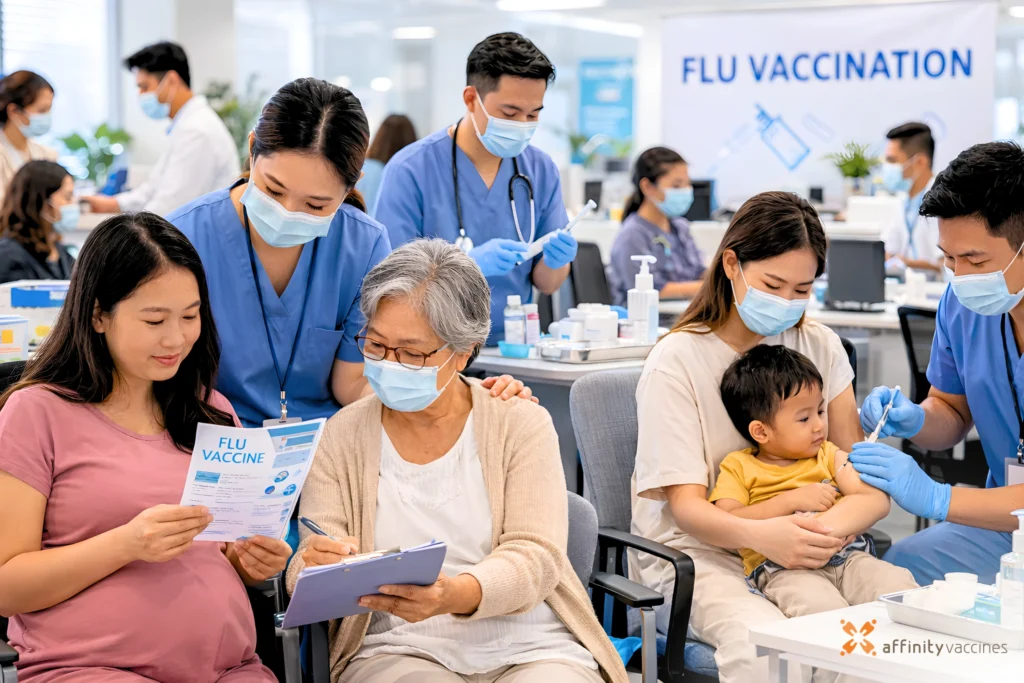
Annual influenza vaccination is recommended for most individuals, particularly those at higher risk of complications.
The World Health Organization identifies several priority groups for vaccination, including:
- Pregnant women
- Healthcare workers
- Adults aged 65 years and older
- Children aged 6 months to 5 years
- Individuals with chronic medical conditions, such as:
- Diabetes
- Heart disease
- Chronic lung disease
- Kidney disease
- Immunocompromised conditions
For these groups, influenza infection can lead to more severe illness, hospitalization, or complications.
Vaccination helps reduce both the risk of infection and the severity of illness.
Why Influenza Vaccination Matters
Although influenza is often viewed as a routine seasonal illness, it can lead to significant health complications.
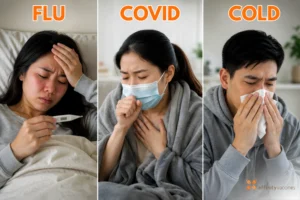
Common influenza symptoms include:
- High fever
- Body aches
- Fatigue
- Cough and respiratory symptoms
In some cases, influenza infection may lead to more serious conditions such as pneumonia or worsening of chronic diseases.
Annual vaccination helps reduce both the likelihood of infection and the risk of severe disease, making it one of the most effective preventive health measures available.
Workplace Flu Vaccination Programs
Workplaces are environments where respiratory infections can spread easily. During influenza season, employee illness may result in:
- Increased absenteeism
- Reduced productivity
- Operational disruptions
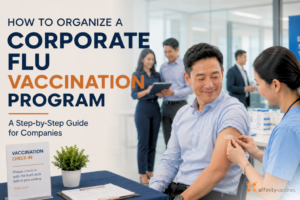
For this reason, many organizations now include corporate flu vaccination programs as part of their workplace health initiatives.
Providing influenza vaccination within the workplace helps protect employees while minimizing the impact of flu outbreaks on business operations.
Corporate Flu Vaccination Programs with Affinity Vaccines
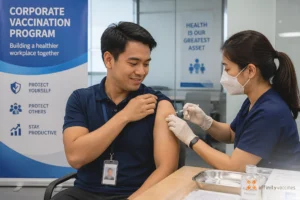
At Affinity Vaccines, influenza vaccination programs are designed specifically for organizations seeking safe and efficient on-site workplace vaccination services.
Corporate vaccination programs may include:
- On-site flu vaccination for employees
- Efficient scheduling for organizations of various sizes
- Professional vaccine administration by licensed healthcare providers
- Organized workplace vaccination campaigns
Vaccination services follow internationally recognized medical guidance, including recommendations from the World Health Organization, and vaccines are sourced from reputable global manufacturers.
Plan Your Company’s Flu Vaccination Program Early
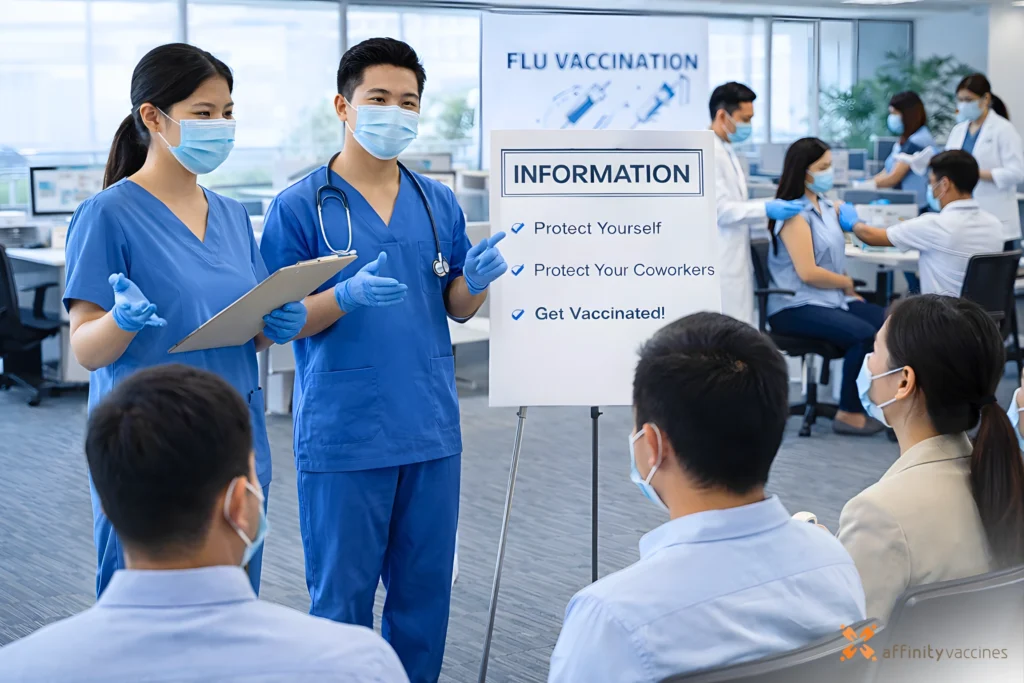
As the 2026 influenza vaccination season approaches, organizations are encouraged to plan their workplace vaccination programs early.
Early planning allows companies to:
- Secure vaccine supply
- Schedule convenient on-site vaccination dates
- Ensure employees are protected before peak influenza activity
Organizations interested in protecting their workforce may coordinate with Affinity Vaccines early to schedule their 2026 corporate flu vaccination program.
Early coordination helps ensure efficient implementation of workplace vaccination programs and supports a healthier and more productive work environment.
Frequently Asked Questions About the 2026 Flu Vaccine
What strains are included in the 2026 flu vaccine?
The 2026 influenza vaccine recommended by the World Health Organization includes protection against three virus strains:
- A(H1N1)pdm09-like virus
- A(H3N2)-like virus
- B/Victoria lineage virus
These strains are selected through global influenza surveillance.
Is the quadrivalent flu vaccine still available?
While many vaccination programs are transitioning to trivalent influenza vaccines, quadrivalent flu vaccines may still be available in limited supply depending on manufacturers and procurement.
Both vaccines remain safe and effective.
Who should get the flu vaccine?
Flu vaccination is recommended for most individuals, especially those at higher risk of complications, including pregnant women, older adults, young children, healthcare workers, and people with chronic health conditions.
When should companies schedule workplace flu vaccination?
Organizations are encouraged to schedule flu vaccination programs before the start of peak influenza season so employees have time to develop protective immunity.
Early scheduling also helps ensure vaccine availability.