
Introduction: Hepatitis Is Still a Major Public Health Concern in the Philippines
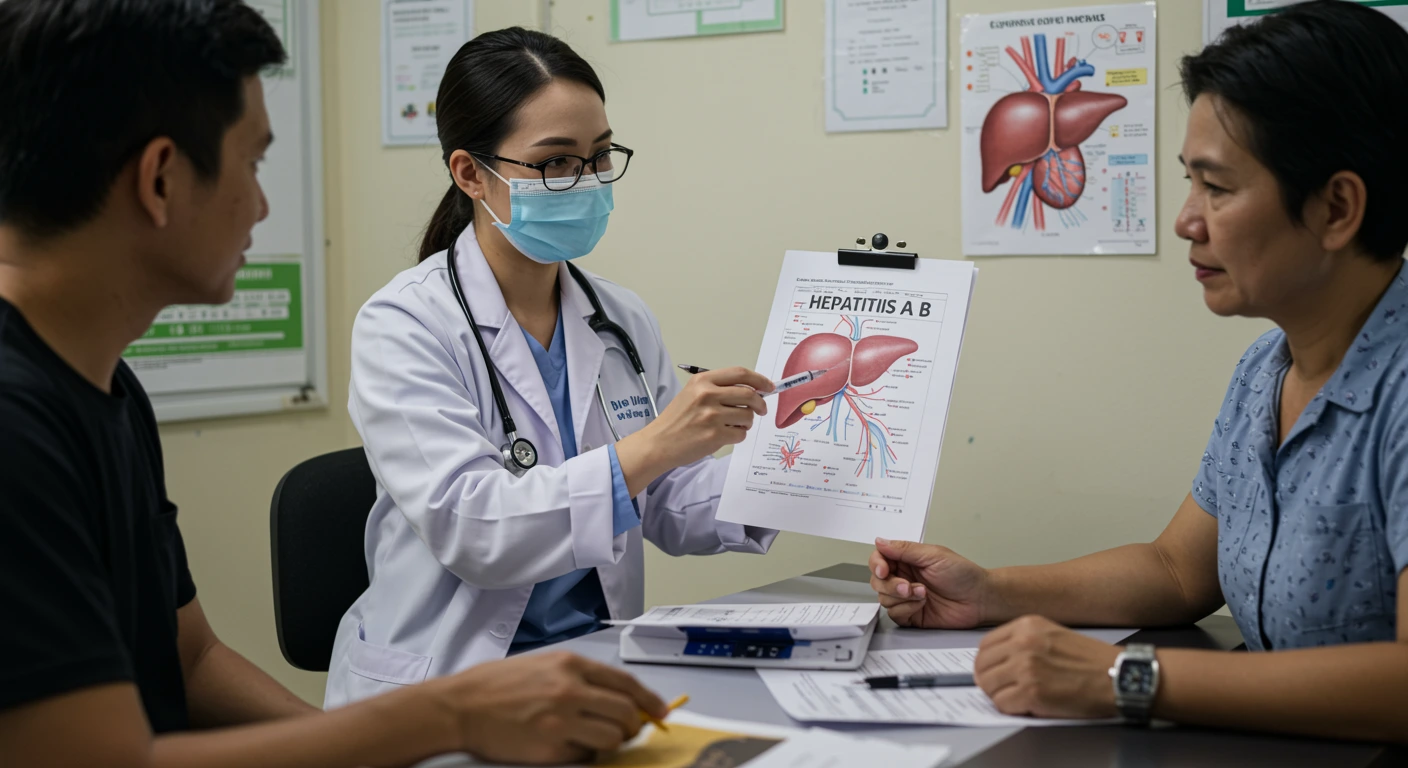
Hepatitis A and Hepatitis B are two of the most common liver infections affecting Filipinos today. Both are caused by viruses that attack the liver. However, they spread differently, cause different levels of severity, and require different prevention strategies.
Despite being preventable, hepatitis infections continue to rise across the country. Specifically, several factors drive this increase. First, frequent outbreaks occur in communities. Second, unsafe food handling remains common. Third, poor sanitation persists in high-density areas. Additionally, lack of awareness about adult vaccination exists. Moreover, close household contact with infected individuals increases risk. Finally, high mobility of workers, travelers, and food handlers spreads infection.
However, the good news exists. Both Hepatitis A and B infections are vaccine-preventable. In fact, vaccination remains the most effective protection for adults, seniors, food-handling workers, and families.
Understanding the Difference Between Hepatitis A & Hepatitis B
Hepatitis A (HAV)
Hepatitis A spreads through several routes.
How it spreads: contaminated food and water, poor hand hygiene, raw or undercooked food, and contact with someone infected.
Disease severity: Hepatitis A is usually acute (short-term). Specifically, it can cause severe symptoms. However, it rarely leads to chronic disease.
Common symptoms include fever, abdominal pain, jaundice (yellowing of eyes), nausea, fatigue, and dark urine.
Risk factor profile: Hepatitis A is common in places with poor sanitation or overcrowding. Therefore, outbreaks are frequent in schools, communities, and workplaces.
Hepatitis B (HBV)
Hepatitis B spreads differently from Hepatitis A.
How it spreads: infected blood, unprotected sex, sharing needles, mother-to-child transmission, unsterile tattooing/piercing, and household exposure.
Disease severity: Hepatitis B is often chronic and lifelong. Consequently, it can lead to cirrhosis, liver failure, or liver cancer.
Common symptoms: The disease can be silent for years. However, symptoms may include jaundice, chronic fatigue, joint pain, and abdominal pain.
Why Hepatitis B is dangerous: It is known as a “silent killer.” Specifically, many carriers do not know they are infected until complications appear. Therefore, early detection and vaccination are critical.
Who Are the High-Risk Groups in the Philippines?
1. Food Handlers & Service Industry Workers
Those in F&B, hospitality, and retail often handle food or interact with large groups. Consequently, they face significant risk of Hepatitis A contamination and transmission.
2. Healthcare Workers
Doctors, nurses, dentists, lab technicians, and caregivers regularly face exposure. Specifically, they encounter infected blood and body fluids. Therefore, this makes them particularly vulnerable to Hepatitis B.
3. Individuals With Multiple Household Members
Many Filipino families have extended relatives living in one home. Consequently, close contact increases infection risk for both Hepatitis A and B.
4. Adults With Chronic Disease (Diabetes, Kidney Disease, etc.)
Their immune system may be weaker. Therefore, this increases risk of severe infection. Additionally, complications can worsen underlying health conditions.
5. People With Active Lifestyles (Gym-goers, Frequent Travelers)
Shared equipment, high mobility, and travel to areas with outbreaks raise exposure. Consequently, active individuals face elevated risk of both Hepatitis A and B.
6. Individuals With Multiple Sexual Partners
This represents one of the highest risk groups for Hepatitis B. Specifically, unprotected sexual contact easily spreads the virus.
7. Those Undergoing Medical, Dental, or Cosmetic Procedures
Procedures in non-regulated or informal settings carry risk. Specifically, Hepatitis B can spread through contaminated tools. Therefore, vaccination provides essential protection.
8. Senior Citizens
Weaker immunity increases severity of both Hepatitis A and B infections. Moreover, many seniors were never vaccinated. Specifically, childhood vaccination expanded only in the last 20-30 years. Therefore, adult vaccination is essential.
How Vaccination Protects You
Vaccination offers long-term, sometimes lifelong, protection. In fact, both vaccines are safe, effective, and widely available throughout the Philippines.
Hepatitis A Vaccine
How it protects:
First, it prevents acute liver infection. Second, it stops foodborne outbreaks. Third, it protects households and workplaces. Additionally, it is safe for adults, seniors, and children.
Schedule: 2 doses (6 months apart)
Who needs it most: food handlers, restaurant staff, travelers, individuals living in crowded communities, and adults with chronic illness.
Hepatitis B Vaccine
How it protects:
First, it prevents chronic infection. Second, it prevents liver failure and liver cancer. Third, it protects against lifelong disease. Finally, it protects high-risk occupations.
Schedule: 3 doses over 6 months (standard). However, accelerated schedules are available for urgent needs.
Who needs it most: healthcare workers, sexually active adults, individuals in multigenerational households, adults ages 18-50, seniors who were never vaccinated, patients undergoing surgery, and people with chronic disease.
Why Adults Should Not Skip These Vaccines
Many adults in the Philippines have never been vaccinated. Specifically, childhood vaccination expanded only in the last 20-30 years. Therefore, millions of adults remain unprotected.
Moreover, daily lifestyle and work exposure increase risk. Specifically, travel, eating out, and gym use raise chances of infection. Additionally, chronic Hepatitis B can go undetected for years.
Furthermore, vaccination prevents expensive hospitalizations. Ultimately, vaccinating now protects your health long-term.
Hepatitis Vaccination for Corporate Programs
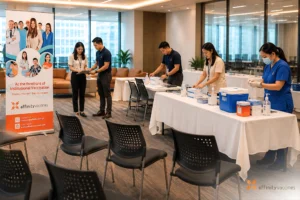
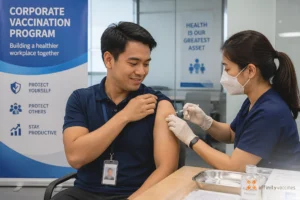
More companies now require or strongly recommend Hepatitis A & B vaccination. Specifically, this applies to several industries.
Industries requiring vaccination: food & beverage, hotels, retail & malls, healthcare & caregiving, schools, manufacturing, logistics, and BPOs with shared office spaces.
Benefits for companies:
First, reduced foodborne outbreaks. Second, lower HMO claims. Third, fewer medical leaves. Additionally, safer workplace environment. Finally, stronger employee morale.
Consequently, prevention is far cheaper than treatment costs.
Frequently Asked Questions
Can I get both vaccines at the same time?
Yes. Hepatitis A and B vaccines can be administered together. Specifically, a combination vaccine called Twinrix is available. Alternatively, they can be given separately. Both approaches are safe and effective.
Are these vaccines safe?
Yes. Both vaccines are safe. In fact, they have been used worldwide for decades. Moreover, several organizations recommend them.
First, the World Health Organization (WHO) recommends them. Second, the Centers for Disease Control and Prevention (CDC) endorses them. Third, the Department of Health (DOH) approves them.
Can I get vaccinated even if I’m unsure of my status?
Yes. Screening tests may be done before Hepatitis B vaccination. However, many adults can safely proceed without testing. Therefore, consult with your healthcare provider about the best approach for your situation.
Final Thoughts
Hepatitis A and B are highly preventable illnesses. However, they continue to affect thousands of Filipinos every year.
Whether you are a food handler, a healthcare worker, a parent, or an employee in a crowded workplace, vaccination provides reliable, long-lasting protection. Ultimately, vaccination is simple, safe, and life-saving.
Protect yourself, your family, and your workplace.
Affinity Vaccines provides comprehensive Hepatitis A and B vaccine Philippines programs for adults, families, and workplaces throughout the country.
To inquire or request a personal or corporate vaccination proposal, please email vaccines@affinity.com.ph.