
Introduction: Why Understanding How Vaccines Work Matters
Vaccines save millions of lives every year. However, many people still wonder: How do they actually work? What happens inside the body after a vaccination? Moreover, how does a small injection protect you from serious illness?
The answer lies in one remarkable system inside your body—your immune system. Furthermore, it’s important to understand how vaccines train it to recognize and fight infections before they cause harm.
This article explains the science of vaccines in simple, easy-to-understand language. As a result, you won’t encounter any intimidating medical jargon.
Your Immune System: The Body’s Defense Army
Think of your immune system as a highly trained security force. Specifically, its main job includes three critical functions.
First, it identifies the enemy, including viruses, bacteria, and harmful pathogens. Second, it attacks and destroys these invaders. Finally, it remembers them so future attacks stop quickly.
When your immune system has seen a virus before, it responds much faster. In fact, it often prevents illness completely. This is the fundamental principle behind how vaccines work.
What Vaccines Actually Do
Vaccines give your body a safe preview of a virus or bacterium. Moreover, they allow your immune system to practice, recognize, and memorize the threat. Importantly, they do this without causing the actual disease.
In simpler terms: A vaccine teaches your immune system what the enemy looks like before the real enemy appears.
Once trained, your body can respond rapidly. As a result, it prevents severe illness and complications.
How Vaccines Train Your Immune System
Vaccines work by activating two key branches of your immune system. Let’s explore each one.
1. The First Responders: Innate Immune System
This is your body’s immediate defense. It’s fast but not specialized.
When a vaccine enters your body, it immediately alerts your innate immune cells that “something” has arrived. Subsequently, they send signals that activate the more specialized immune cells.
2. The Specialists: Adaptive Immune System
This is the part of your immune system that provides long-term protection. Furthermore, vaccines stimulate three important processes.
a. Recognition
First, your immune system learns to identify specific proteins (antigens) from the virus or bacteria.
b. Response
Next, it produces antibodies—proteins that neutralize or destroy the pathogen.
c. Memory
Finally, it creates memory cells that stay with you for years. These cells “remember” the virus. Therefore, your body can respond instantly if exposed in the future.
This memory is what actively protects you from serious illness.
Types of Vaccines and How They Work
Not all vaccines are the same. In fact, different technologies provide safe ways to teach the immune system. Here are the most common types.
1. Inactivated or Killed Vaccines
Examples include flu shot, Hepatitis A, and Rabies vaccines.
These vaccines contain viruses or bacteria that have been killed. Consequently, they cannot cause disease. Moreover, they are safe for most people, including those with weakened immune systems. However, they often require booster shots for long-lasting protection.
2. Live Attenuated Vaccines
Examples include MMR (Measles-Mumps-Rubella) and Chickenpox vaccines.
These vaccines contain weakened versions of the virus. As a result, they are very effective and long-lasting. However, doctors usually don’t give them to immunocompromised individuals or pregnant women.
3. Subunit / Recombinant / Protein-Based Vaccines
Examples include HPV, Hepatitis B, and Shingles (Shingrix) vaccines.
These vaccines use only specific harmless parts of a virus. Therefore, they cannot cause infection. Additionally, they produce strong immune memory.
4. Toxoid Vaccines
Examples include Tetanus and Diphtheria vaccines.
These vaccines contain inactivated toxins from bacteria. Specifically, they teach the body to neutralize the toxin, not the bacteria itself.
5. Conjugate Vaccines
Examples include Pneumococcal vaccines.
These vaccines are designed to protect infants, children, and seniors. Moreover, they bind sugars and proteins to help immune systems respond more effectively.
Why Vaccines Are Safer Than Natural Infection
Some people ask: Why not just get the disease and develop immunity naturally? Here’s why this approach is dangerous.
Natural infection comes with serious risks. For instance, it can lead to hospitalization, long-term complications, organ damage, chronic disease, expensive medical bills, and even death in severe cases.
In contrast, vaccines mimic infection without causing the dangerous consequences. Therefore, vaccines are the safe, controlled way to build immunity.
Why Immunity Wears Off for Some Diseases
Not all vaccines provide lifelong protection. In fact, some need boosters for several reasons.
First, the virus mutates, like influenza does annually. Second, antibody levels naturally decrease over time. Third, repeated exposure strengthens memory.
This is why adults may need several types of boosters. For example, they need annual flu shots, tetanus boosters every 10 years, multiple doses of HPV, Hepatitis A, and Hepatitis B vaccines, and pneumonia vaccines at specific age intervals.
Ultimately, immunity is a process, not a one-time event.
Why Vaccines Protect Communities, Not Just Individuals
When more people get vaccinated, several positive outcomes occur. First, fewer people get infected. Second, fewer viruses circulate in the community. Third, outbreaks become less frequent. Finally, vulnerable individuals stay protected.
This interconnected protection is known as herd immunity. Moreover, it’s a vital concept for families with infants, seniors, or immunocompromised members.
Therefore, vaccination is both individual protection and community responsibility.
Vaccines Have Been Studied for Decades
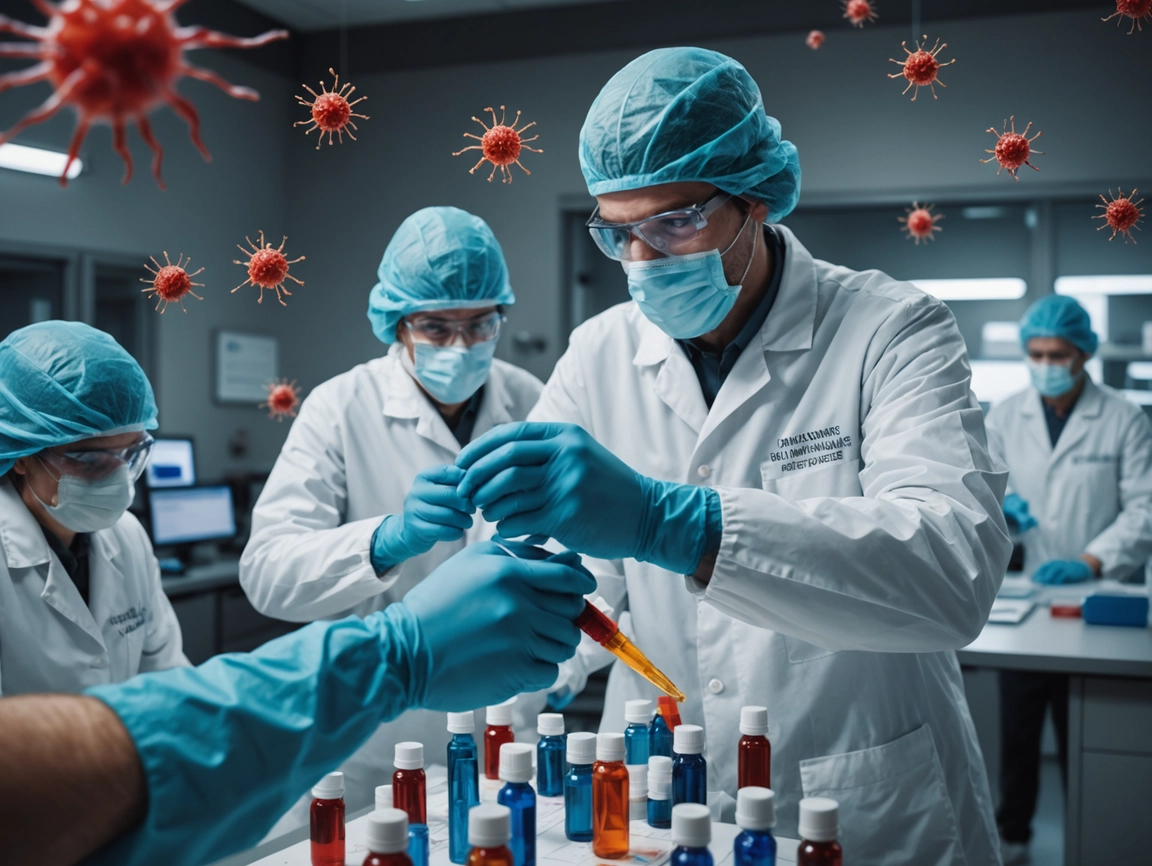
Vaccines undergo rigorous testing and monitoring. Specifically, this includes laboratory research, clinical trials (Phases 1 through 3), quality checks, safety monitoring, manufacturing standards, and cold-chain regulation.
Even after approval, health organizations continue to monitor vaccines globally. For example, WHO, CDC, FDA, and national health agencies track vaccine safety continuously.
This is why vaccines remain one of the most studied and regulated health interventions in the world. As a result, Filipino families can trust their safety and effectiveness.
Final Thoughts on How Vaccines Work
Vaccines are not simply “shots.” Instead, they are carefully designed training programs for your immune system. Moreover, they are powerful tools that prevent severe illness, protect families, and strengthen communities.
By understanding how vaccines work, Filipino families and workplaces can make informed decisions. Consequently, everyone stays safer and healthier.
Affinity Vaccines helps Filipino families and businesses understand vaccine science through comprehensive educational resources and vaccination programs.
To inquire or request a corporate vaccination proposal, please send your inquiries to vaccines@affinity.com.ph.